Protect your home from wildfires with Fire-resistant building materials
Class A-rated, WUI Approved, and Ignition Resistant siding, decking, vents, insulation, and more
Wildfire risk in Northern California is at an all-time high, with recent fires like the 2025 Palisades Fire destroying thousands of structures and causing billions in damage. Surprisingly, embers are the biggest threat to homes, not direct flames. Embers can travel over a mile from their origin and ignite vulnerable materials on roofs, decks, and vents. Homes built after California’s 2008 fire-resistant building standards are nearly three times more likely to survive a wildfire than older homes.
Choosing the right fire-resistant building materials is essential for protecting your home, improving safety, and potentially qualifying for insurance discounts or incentives.
What Makes a Fire-Resistant Home?
Fire-resistant homes are built to reduce the risk of ignition, flame spread, and ember intrusion during a wildfire. They incorporate specialized materials engineered to withstand high temperatures and direct flames.
Materials like fire-rated siding, roofing, decking, doors, and windows all help prevent fire from catching on the exterior of the house, while materials like fire-rated vents, soffits, and insulation block embers from entering and igniting combustible materials inside or beneath the home. In addition, proper maintenance—like sealing all gaps, cracks, and openings around the home and keeping it clear of debris—makes it harder for embers to get near flammable materials.
Framing
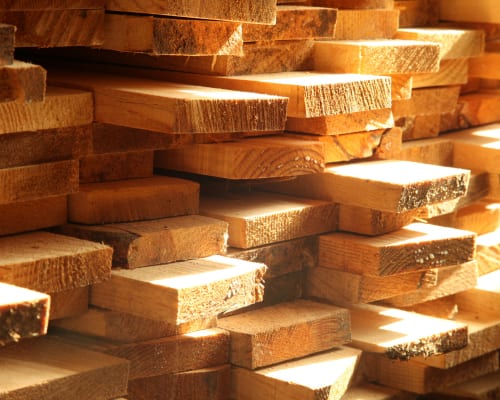
Opt for FRT wood to harden your framing. This chemically treated product slows ignition and fire spread. FRT wood is particularly useful for eaves and soffits.
Insulation
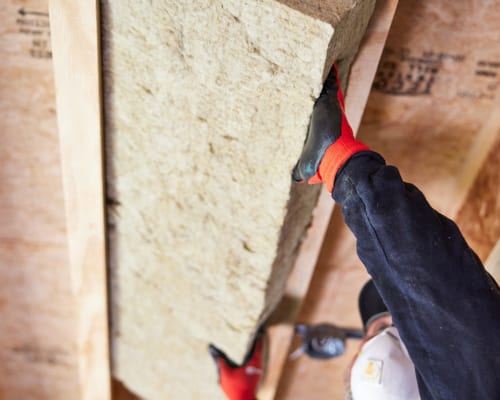
Use mineral wool insulation, like Rockwool, which can withstand temperatures above 1,000°C and is widely recognized for its superior fire resistance.
Siding & Trim
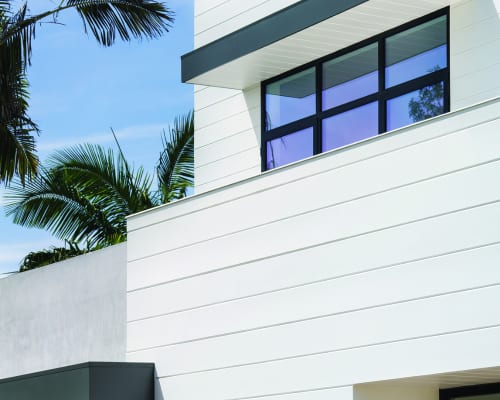
Siding and Trim are the final line of defense between your house and wildfires. Brands like James Hardie, Tru Exterior, and Nusku Fireblocker all offer products that won’t ignite.


Vents
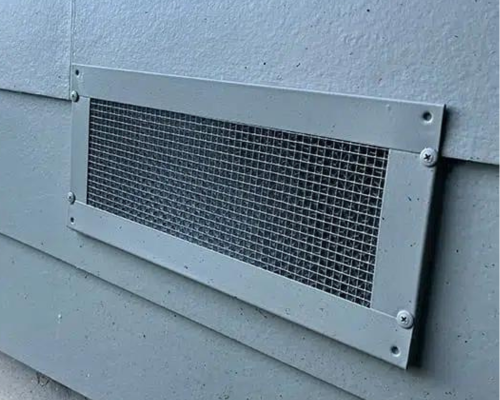
With the right vents, you can prevent fires from spreading to the interior of your house. In the event of a fire, brands like Vulcan Vents are engineered to collapse shut.
Decking
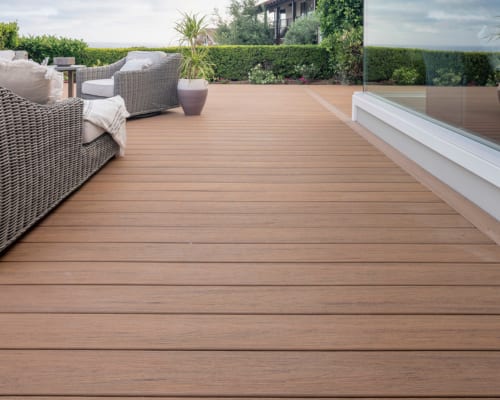
If it’s made from wood, a deck can bring a fire right to your house. Decks made from composite materials can keep a fire at bay. Decking like TimberTech’s Advanced PVC line, won’t catch or spread fire.


Landscaping
Create a ‘fire-free’ area within five feet of your home, using non-flammable landscaping materials and/or high-moisture-content annuals and perennials.

The Right Materials
With fire-rated construction materials and the right building and maintenance techniques, you can harden your home and protect it against wildfires. Central Valley is here to help. We carry the products you need to build a fire-resistant home or add fire-resistant improvements.
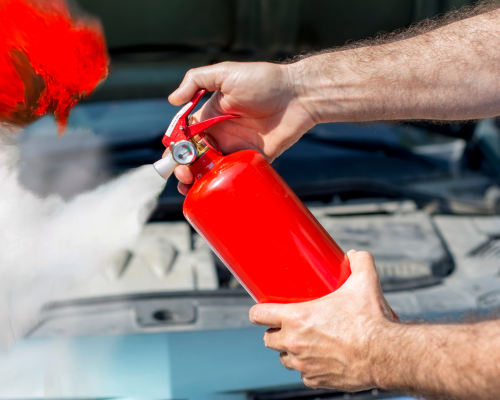
Understanding Fire ratings
Materials with these ratings slow or prevent fire spread, giving firefighters more time to respond and increasing your home’s chance of survival
Class A Flame Spread
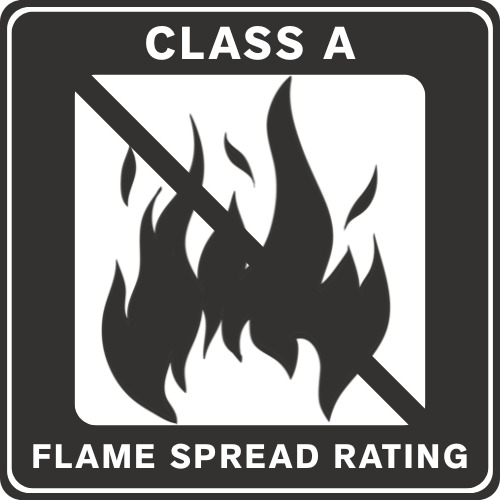
Class A fire rating is the highest standard for fire resistance in building materials. Class A materials have a flame spread index between 0 and 25, meaning they are highly resistant to fire and do not allow flames to spread quickly across their surface. Class A fire-rated materials are often required for both residential and commercial construction to help harden homes against wildfires and other fire hazards.
WUI-Compliant
A WUI-approved fire rating refers to building materials and assemblies that meet specific fire safety standards required for use in Wildland-Urban Interface (WUI) areas—regions where homes and structures are at increased risk due to their proximity to wildfire-prone vegetation. To be WUI-approved, products must comply with rigorous fire performance tests outlined in the California Building Code.
Ignition-Resistant
The ignition proof fire rating refers to a classification for building materials that indicates how difficult it is for the material to catch fire when exposed to direct flame or heat. Materials with this rating have been specially tested to resist ignition and slow the spread of flames, providing an extra layer of protection for homes in wildfire-prone areas.
Ready to protect your home?
Our PROs know the requirements and challenges of building in wildfire-prone areas and can help you pick the right products for your home.
Protect your investment, your family, and your peace of mind. Let Central Valley help you choose fire-hardened building materials engineered for Northern California.